

The technology sector has become more saturated than ever before. Every day brings dozens of new apps, gadgets, and digital solutions competing for consumer attention.
Breaking through this noise requires more than just having a functional product – you need strategic thinking, exceptional execution, and a deep understanding of what makes products that stand out truly memorable.
The challenge of standing out becomes even more daunting when you consider that most tech products solve similar problems.
Consumers face an overwhelming array of choices, making it crucial for companies to differentiate themselves through unique features, superior user experience, and compelling value propositions that resonate with their target audience.
Identifying Your Unique Value Proposition (UVP)
Your unique value proposition serves as the cornerstone of product differentiation, defining exactly why customers should choose your solution over existing alternatives in the market.
What is a Unique Value Proposition?
A Unique Value Proposition represents the core reason why customers should choose your product over countless alternatives. This goes beyond listing features – your UVP articulates the specific benefit that only your product can deliver.
In today’s competitive market, having a clear UVP becomes the foundation for everything else you do to make your product stand out.
How to Craft a Strong UVP?
Understanding your audience’s pain points requires deep research and genuine empathy. Talk to potential users, observe their current workflows, and identify moments of frustration or inefficiency. The best products that stand out solve problems that people didn’t even realize they had.
Competitor analysis should focus on identifying gaps rather than copying existing solutions. Look for underserved segments, overlooked use cases, or areas where current solutions fall short. Your goal should be to find white space where your product can excel without direct competition.
Focus on outcomes rather than features when articulating how your tech product solves problems uniquely. Instead of saying “our app has advanced algorithms,” explain how those algorithms save users three hours per week or reduce errors by a significant margin.
Embedding Your UVP into Product Development
Your UVP should influence every decision throughout the product lifecycle. From initial concept to final marketing messages, maintaining consistency ensures that users experience the promised value at every touchpoint.
This alignment helps create a coherent brand experience that reinforces why your product deserves attention.
The Role of Embedded Software in Product Differentiation
Modern technology products increasingly rely on sophisticated embedded software to deliver the performance and functionality that sets them apart from basic alternatives.
Why Embedded Software is Key?
Embedded software serves as the invisible backbone that can make your product stand out through enhanced functionality and superior user experience.
While competitors might focus on hardware specifications or surface-level features, smart embedded software implementation creates differentiation that runs deeper and proves harder to replicate.
An experienced embedded software development company understands how to optimize performance, reduce power consumption, and create seamless interactions between hardware and software components.
This technical excellence translates into user benefits that make products stand out in practical, measurable ways.
The Benefits of Quality Embedded Software
Reliability and performance form the foundation of user trust. When embedded software operates flawlessly, users notice the smooth experience rather than technical complications. This reliability becomes a competitive advantage that builds brand reputation over time.
Quality embedded software delivers several key advantages:
- Enhanced reliability – Fewer crashes, bugs, and system failures that frustrate users
- Optimized performance – Faster processing, reduced battery drain, and efficient resource usage
- Seamless updates – Background improvements that enhance functionality without disrupting user workflows
- Cross-platform compatibility – Consistent experience across different devices and operating systems
Scalability and future-proofing ensure your product remains relevant as user needs grow and technology advances.
Well-designed embedded software can accommodate updates, new features, and integration with emerging technologies without requiring complete overhauls.
Integration capabilities allow your product to work seamlessly within existing ecosystems. Whether connecting to smartphones, cloud services, or other devices, smooth integration makes your product more valuable and increases user adoption.
Crafting a Memorable User Experience (UX)
User experience design directly influences whether customers choose your product and continue using it long-term, making it a critical factor in market differentiation.
User-Centered Design
Designing with users at the center means prioritizing their goals, preferences, and limitations over internal assumptions about what should work.
This approach helps create products that feel intuitive and natural, which naturally helps make your product stand out from competitors who prioritize technical features over usability.
Intuitive Interfaces and Seamless Interactions
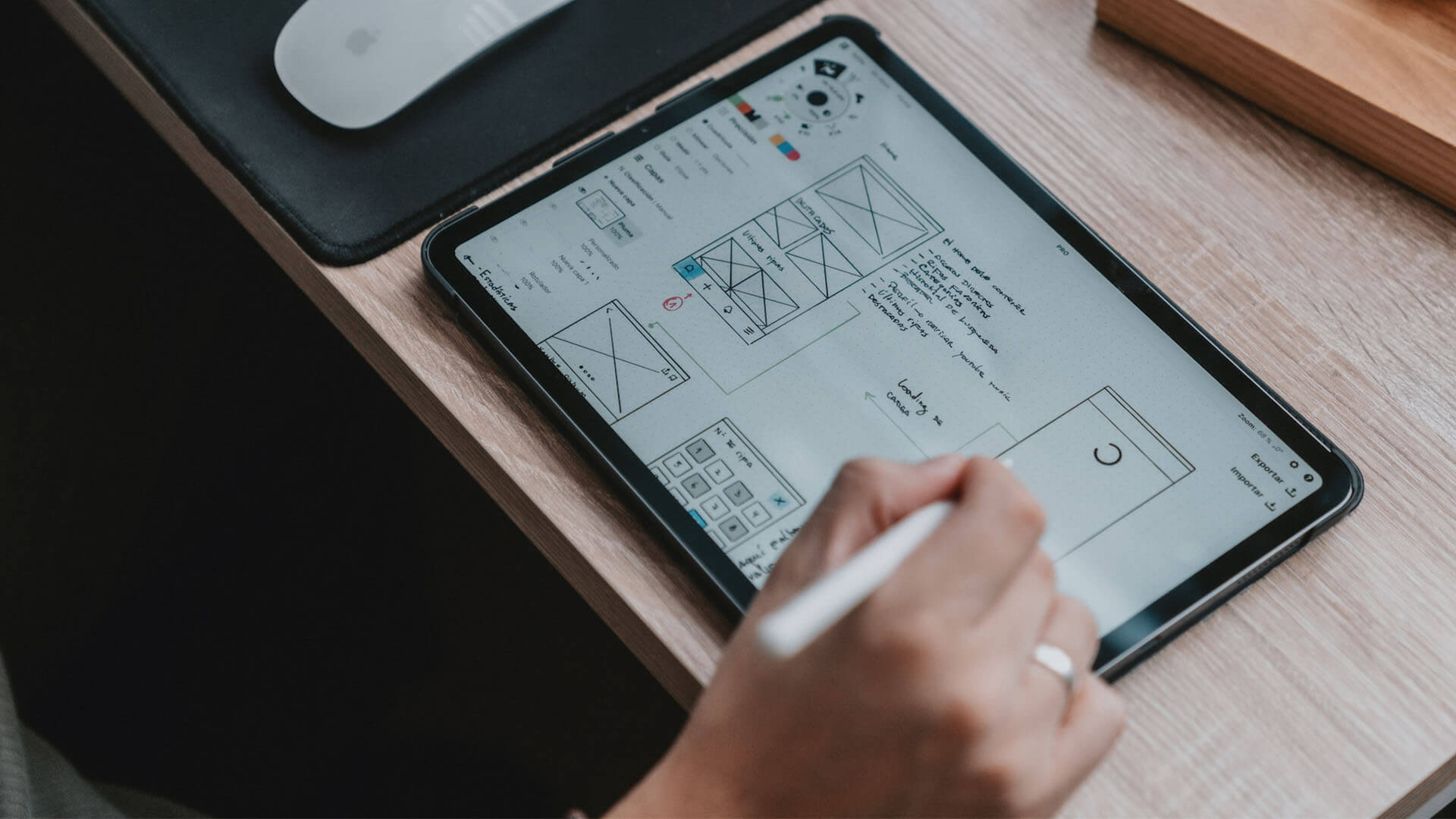
Simplicity requires sophisticated thinking. The best interfaces hide complexity behind clean, logical interactions that feel effortless to users.
Every button, menu, and transition should serve a clear purpose while maintaining visual consistency throughout the experience.
Personalization and Customization
Allowing users to tailor products to their specific needs creates emotional investment and increases long-term engagement.
However, customization options should enhance rather than complicate the core experience. The key lies in providing meaningful choices without overwhelming users with unnecessary decisions.
The Power of Design and Aesthetics
Beautiful, functional design communicates quality and attention to detail before users even interact with core features.
Visual appeal creates positive first impressions, while thoughtful design decisions support usability and reinforce brand identity.
Key design elements that help products stand out include:
- Consistent visual language – Unified colors, typography, and imagery across all touchpoints
- Clean, uncluttered interfaces – Strategic use of white space and logical information hierarchy
- Meaningful animations – Subtle transitions that guide users and provide feedback
- Accessible design choices – Color contrast and layouts that work for users with different abilities
- Mobile-optimized experiences – Responsive design that functions seamlessly across devices
Products that stand out often do so because they look and feel premium, regardless of their price point.
Effective Marketing and Messaging Strategies
Strategic marketing and clear communication help potential customers understand your product’s value and distinguish it from competing solutions in the marketplace.
Building Brand Awareness
Creating a strong brand identity involves more than just logos and color schemes. Your brand should reflect your product’s unique value and resonate with target users’ aspirations and challenges.
Consistency across all touchpoints – from packaging to customer service – reinforces brand recognition and builds trust.
Clear and Concise Messaging
Communicating your UVP effectively requires discipline and testing. Marketing materials should focus on user benefits rather than technical specifications.
Every headline, product description, and advertisement should answer the question: “What problem does this solve for me?”
Leverage Content Marketing
Content marketing allows you to demonstrate value before asking for purchases. Educational blog posts, tutorial videos, and social media content help potential customers understand how your product fits into their lives.
Effective content marketing strategies include:
- Educational tutorials – Step-by-step guides that showcase product capabilities
- Industry insights – Thought leadership content that positions your brand as knowledgeable
- User-generated content – Customer stories and examples that provide social proof
- Behind-the-scenes content – Development processes and company culture that build trust
- Interactive demonstrations – Live streams, webinars, and product demos that engage audiences
This approach builds relationships and establishes expertise while showcasing practical applications.
Utilizing Influencers and Reviews
Authentic endorsements from respected voices in your industry carry more weight than traditional advertising.
Partner with influencers whose audiences align with your target market, and focus on building relationships rather than simply paying for mentions. Positive reviews from real customers provide social proof that encourages others to try your product.
Offering Exceptional Customer Support and Service
Outstanding customer service transforms satisfied users into loyal advocates who actively promote your product to others, creating organic growth opportunities.
Post-Purchase Support
Customer support quality directly impacts whether users become advocates or detractors. Responsive, helpful support turns problems into opportunities to demonstrate care and competence. Users remember companies that solve their issues quickly and professionally.
Continuous Engagement
Regular communication with customers provides insights for improvement while maintaining relationships. Email updates, user surveys, and community forums create channels for feedback that inform future development decisions. This engagement also helps identify power users who might become brand ambassadors.
Building a Community
Creating spaces where users can help each other reduces support burden while fostering loyalty. Online communities, user groups, and forums allow customers to share tips, solve problems together, and advocate for your product organically.
Innovation and Continuous Improvement
Sustained success requires ongoing innovation and responsiveness to changing market conditions, user needs, and technological developments.
Staying Ahead of the Curve
Monitoring industry trends and emerging technologies helps identify opportunities for product enhancement.
However, innovation should serve user needs rather than pursuing technology for its own sake. The most effective improvements solve real problems or create new possibilities for your customers.
Iterating Based on Feedback
User feedback and usage data reveal gaps between intended functionality and actual user behavior. Regular analysis of this information guides development priorities and helps refine features that truly make your product stand out.
Working with an embedded software development company during these iterations ensures technical improvements align with user experience goals.
Use of Advanced Technology
Incorporating emerging technologies like artificial intelligence, Internet of Things connectivity, or blockchain capabilities can create new value propositions. However, these additions should enhance core functionality rather than serving as marketing gimmicks.
Consider these technology integration approaches:
- AI-powered personalization – Machine learning that adapts to individual user preferences
- IoT connectivity – Device integration that creates seamless multi-platform experiences
- Voice and gesture controls – Natural interaction methods that reduce friction
- Predictive analytics – Data insights that anticipate user needs and prevent problems
- Cloud synchronization – Cross-device continuity that enhances user convenience
Users care more about practical benefits than impressive technical specifications.
Creating Your Competitive Edge
Making your tech product stand out requires combining multiple strategies into a cohesive approach. Your unique value proposition provides direction, while quality embedded software ensures reliable performance.
Exceptional user experience design makes interaction pleasant and intuitive, while effective marketing communicates value clearly to potential customers.
Success comes from consistent execution across all these areas rather than excelling in just one aspect. Products that stand out maintain high standards for technology, design, customer service, and innovation simultaneously.
This comprehensive approach creates competitive advantages that prove difficult for others to replicate, establishing your product as a preferred choice in even the most crowded markets.
