

When you want to check the market or place a trade quickly, opening an app can seem like the obvious choice.
It’s already on your phone, login details can be saved, and you can be looking at prices within seconds. A browser takes a little more effort, but that doesn’t necessarily make it slower where it really counts.
For traders using an iPhone or Mac, the difference comes down to what you’re doing. An app often wins for immediate access, whereas a browser can make more sense when you need space to look at a trade properly.

Why Trading Apps Often Feel Faster?
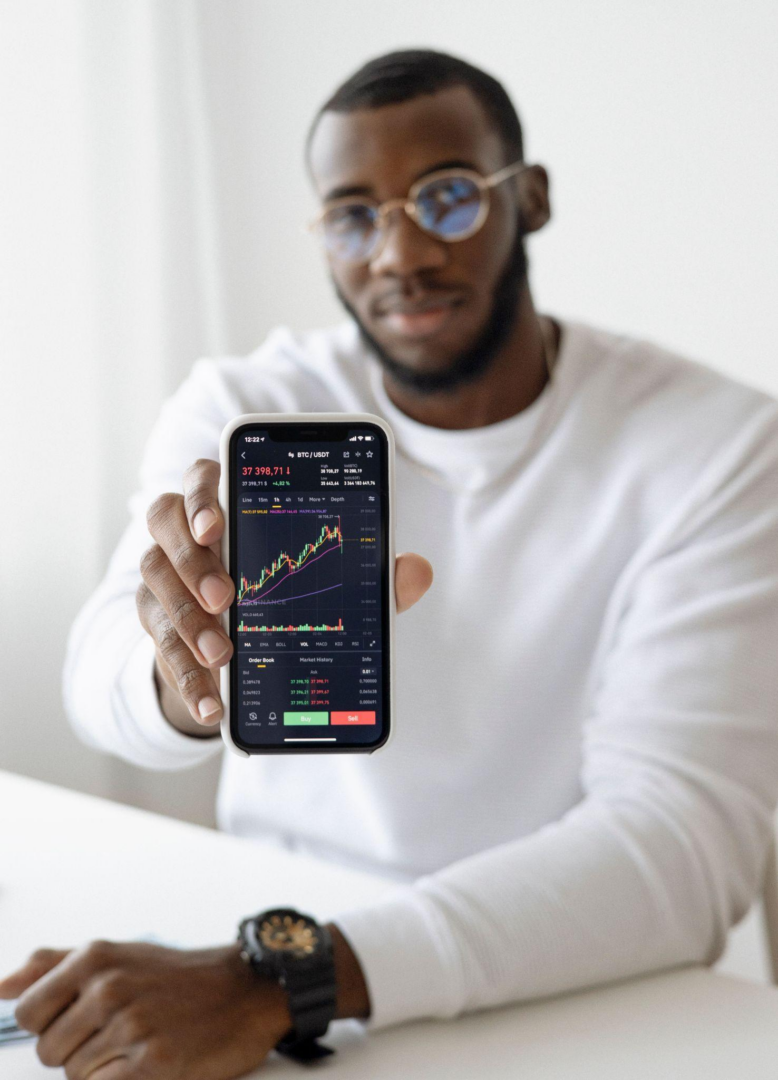
Apps have an advantage before you’ve even reached the trading platform. On an iPhone, Face ID can make logging in almost immediate, while saved settings mean the platform is ready without much setup each time.
That makes a difference when you’re checking a price away from your desk or responding to an alert. You can open the app and get where you need to be without first opening a browser and navigating back to the platform.
OANDA, for example, provides access through its trading app and browser-based platform, so traders aren’t tied to one way of reaching their account.
. The mobile option can be useful when immediate access matters, while the browser gives you another way to work when you have more time and screen space available.
That distinction becomes important because getting into a platform quickly isn’t the same as completing every trading task efficiently.
When a Browser Makes More Sense?
A browser might take an extra moment to open, but once you’re logged in, the additional space can work in its favor.
Charts are easier to examine on a larger screen, and switching between the trading platform and other information is more straightforward. If you’re reviewing a position or checking an order carefully before submitting it, saving a few seconds at login may not matter very much.
This is particularly relevant on a Mac, where a browser can become part of a wider desktop setup rather than something you’re trying to fit onto a smaller mobile display.
So an app may be quicker when the priority is getting in. A browser can be more efficient when the work you need to do after logging in is more involved.

A Faster Interface Doesn’t Mean Faster Execution
This is where the comparison becomes less obvious.
An app can open quickly and feel responsive, but that doesn’t automatically mean an order will be executed faster than one submitted through a browser.
When both connect to the same broker infrastructure, much of what happens after you press the buy or sell button takes place beyond the device in your hand.
Your internet connection can affect responsiveness, while conditions in the market can influence what happens once an order is submitted.
During periods of rapid price movement, the price available when an order is filled can change regardless of whether you started the trade through an app or browser.
In other words, there’s a difference between how fast a platform feels and how quickly an order is actually handled.
Your Device and Connection Matter Too
Sometimes the difference you’re noticing has less to do with app versus browser and more to do with the device or connection you’re using.
A recent phone connected to reliable Wi-Fi may make an app feel almost instant. A browser with numerous tabs and extensions running in the background could seem slower by comparison. Change the circumstances, though, and the browser may perform just as smoothly.
The same applies to mobile connections. If cellular coverage is unreliable, the convenience of opening an app quickly doesn’t help much once it needs to load live information.
Keeping your device and browser updated can help, but the important point is to compare both options under similar conditions. Otherwise, it’s easy to mistake a slow device or poor connection for a problem with the platform itself.
Final Say
If speed means opening the platform and checking what’s happening as quickly as possible, an app will often have the advantage. Saved login details and biometric authentication can remove much of the friction before you reach your account.
Browsers have their uses, too. More screen space can make it easier to study a chart, check information, and review what you’re doing before submitting an order.
Actual trade execution is a different matter. Using an app doesn’t automatically make an order execute faster than using the same broker through a browser.
For many traders, that means there isn’t much reason to pick one and abandon the other. An app can handle quick access when you’re away from your desk, while a browser can take over when you want a larger workspace. The faster option ultimately depends on what you’re trying to do at the time.
